The Numbers Behind the Gear: What At-Home Health Devices Actually Save You Compared to Emergency Care
American emergency departments are among the most expensive care settings in the world. According to data from the Healthcare Cost and Utilization Project, the average cost of a single emergency room visit in the United States now exceeds $1,500—and that figure climbs sharply when the visit results in admission, imaging, or specialist consultation. For the roughly 100 million Americans living with at least one chronic condition, the ER is not an abstraction. It is a recurring financial risk.
What if a $30 device could meaningfully reduce that risk? The math, examined carefully, is more compelling than most people realize.
This article breaks down the cost-benefit case for five widely available at-home health monitoring tools, comparing their purchase price against the documented average costs of the emergency events they are designed to help prevent or intercept early.
1. Blood Pressure Monitors — The $40 Device That Targets a $3,000 Crisis
Average device cost: $30–$60 for a validated upper-arm cuff monitor Target condition: Hypertension and hypertensive crisis Average ER cost for hypertensive emergency: $1,800–$4,500, not including hospitalization
Hypertension affects approximately 47% of American adults, according to the Centers for Disease Control and Prevention. It is frequently called a "silent killer" because it produces no obvious symptoms until a crisis—stroke, heart attack, or hypertensive emergency—occurs.
Home blood pressure monitoring has been shown in multiple clinical studies to improve blood pressure control compared to office-only measurement. The American Heart Association endorses home monitoring as a standard component of hypertension management. When readings trend upward over days or weeks, patients and their physicians can adjust medications proactively rather than responding to an acute event.
Consider a patient who uses a home monitor to detect a sustained elevation and contacts their physician for a medication adjustment. That call costs nothing beyond the device already owned. The alternative—waiting until symptoms appear—may result in an emergency visit, a CT scan, and a two-day hospital stay. The average cost of a stroke-related hospitalization in the United States exceeds $20,000.
A $50 blood pressure monitor used consistently over five years costs roughly $10 per year. Its potential to avert a single acute event represents a return on investment that no financial instrument can match.
2. Pulse Oximeters — $25 Spent to Avoid a $6,000 Admission
Average device cost: $20–$35 for a fingertip pulse oximeter Target condition: Respiratory compromise, including COPD exacerbations and pneumonia Average ER cost for respiratory distress: $2,800–$6,500; hospitalization for pneumonia averages $14,000
Pulse oximeters became a household item during the COVID-19 pandemic, when clinicians observed that some patients were experiencing dangerously low oxygen saturation without the subjective sensation of breathlessness—a phenomenon termed "silent hypoxia." The lesson extended beyond the pandemic: low oxygen saturation is a meaningful early warning signal across a range of conditions, including COPD, asthma, heart failure, and pulmonary embolism.
For individuals with known respiratory conditions, a pulse oximeter provides an objective daily benchmark. A reading that drops from a personal baseline of 97% to 92% over several days signals deterioration that warrants a physician call—not necessarily an ER visit. That distinction alone can save thousands of dollars and the considerable stress of emergency care.
Important caveat: pulse oximetry has documented limitations in individuals with darker skin tones, a disparity the FDA has acknowledged and that manufacturers are actively working to address. Users should discuss appropriate baseline targets with their healthcare provider.
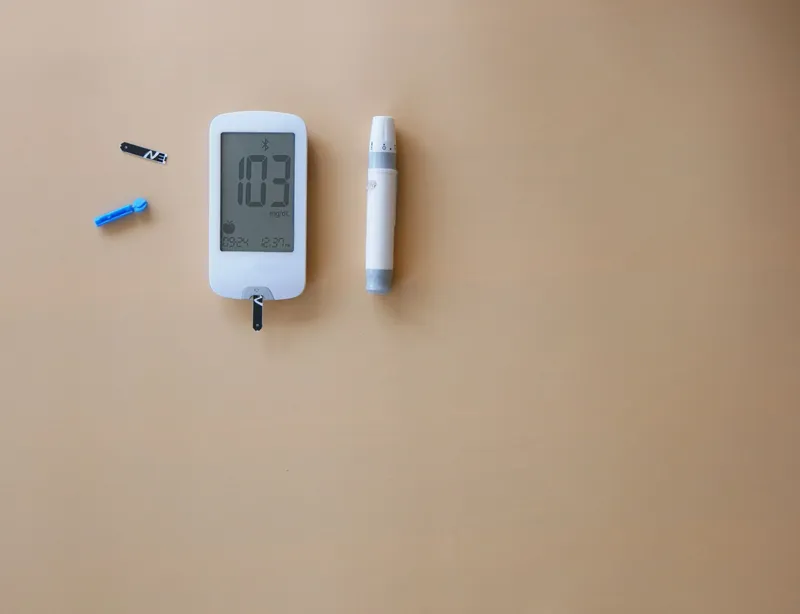
3. Blood Glucose Meters — A $25 Device Versus a $17,000 Hospitalization
Average device cost: $15–$30 for a basic glucose meter (test strips are an ongoing cost) Target condition: Hypoglycemia and hyperglycemic crisis Average ER cost for severe hypoglycemia: $1,200–$3,500; diabetic ketoacidosis hospitalization averages $17,500
For Americans managing Type 1 or Type 2 diabetes, blood glucose monitoring is not a wellness luxury—it is a clinical necessity. Yet even among this population, adherence to regular self-monitoring remains inconsistent, often due to cost concerns around test strips.
The financial calculus here is stark. A single emergency department visit for severe hypoglycemia—the kind that results in altered consciousness or seizure—costs several thousand dollars before accounting for lost wages or transportation. Continuous glucose monitoring (CGM) devices, now accessible without a prescription for some models, provide real-time alerts that allow users to intervene before a crisis develops.
For individuals not yet diagnosed with diabetes, periodic fasting glucose testing at home can serve as an early indicator of prediabetes, a condition affecting 96 million American adults—most of whom are unaware of it. Early detection at the prediabetic stage, when lifestyle intervention is most effective, avoids the substantially higher costs of managing full-spectrum Type 2 diabetes and its complications.
4. Digital Thermometers and Infrared Ear Thermometers — $15 to Avoid a Costly Misread
Average device cost: $10–$25 Target application: Fever triage in adults and children Average ER cost for fever-related pediatric visits: $800–$2,500
Fever is among the most common reasons American parents bring children to emergency departments—and studies suggest that a substantial proportion of these visits occur because caregivers are uncertain whether a temperature is genuinely dangerous or manageable at home. An accurate, reliable thermometer, combined with clear guidance from a pediatrician on fever thresholds, can eliminate the ambiguity that drives unnecessary ER utilization.
For adults managing chronic conditions such as neutropenia from chemotherapy or immunosuppression from organ transplant, accurate home temperature monitoring is a clinical directive. For the general population, it is a simple triage tool.
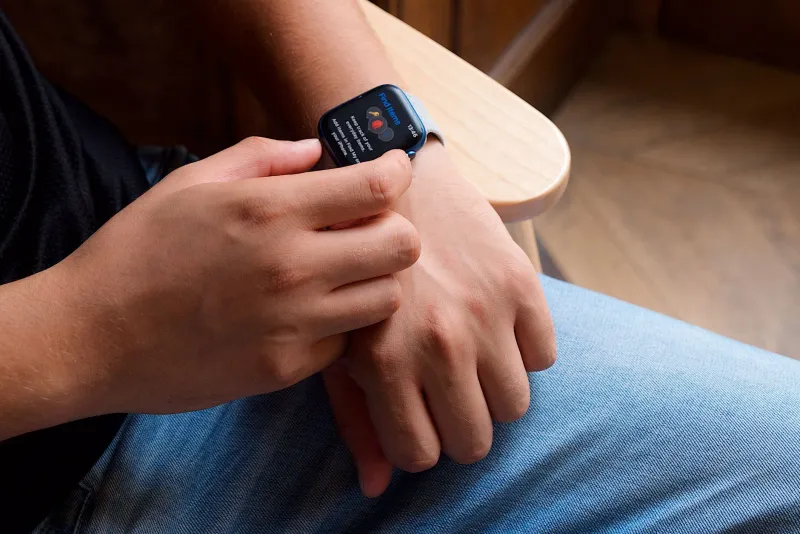
5. Cardiac Rhythm Monitors and ECG-Enabled Wearables — $200 to Contextualize a $5,000 Workup
Average device cost: $150–$400 for FDA-cleared single-lead ECG devices Target condition: Atrial fibrillation and arrhythmia detection Average ER cost for arrhythmia evaluation: $3,500–$8,000, including monitoring and imaging
Atrial fibrillation affects more than 6 million Americans and significantly elevates stroke risk. Many cases are paroxysmal—occurring intermittently—which means they may not be captured during a standard 10-second office ECG. Consumer-grade, FDA-cleared ECG devices can record rhythm strips over days or weeks, providing documentation that would otherwise require expensive ambulatory monitoring.
For individuals with a history of palpitations or known arrhythmia, a personal ECG device creates a record that can guide clinical decision-making without a reflexive emergency visit. The ability to transmit a recorded episode to a cardiologist through a telehealth platform is a meaningful alternative to an ER evaluation for a non-emergency arrhythmia presentation.
The Cumulative Case for Preventative Investment
Adding the low end of costs across all five device categories yields a total investment of approximately $300–$500. That is a one-time expenditure—or, in the case of glucose test strips and some consumables, a modest recurring cost—that positions a household to monitor five of the most common drivers of emergency department utilization in the United States.
The average American ER visit costs more than three times that amount before a single test is ordered. The math does not require sophisticated modeling to interpret.
Preventative investment in home health technology is, at its core, a financial decision as much as a wellness one. For cost-conscious Americans navigating high-deductible health plans, coverage gaps, or limited access to primary care, the devices described above represent one of the most defensible expenditures available. They do not replace clinical care. They extend it—into the hours, days, and weeks between appointments when conditions develop silently and intervention is most effective.