The Hidden Danger in Your Medicine Cabinet: How Unreported Supplement Use Creates Serious Drug Interaction Risks
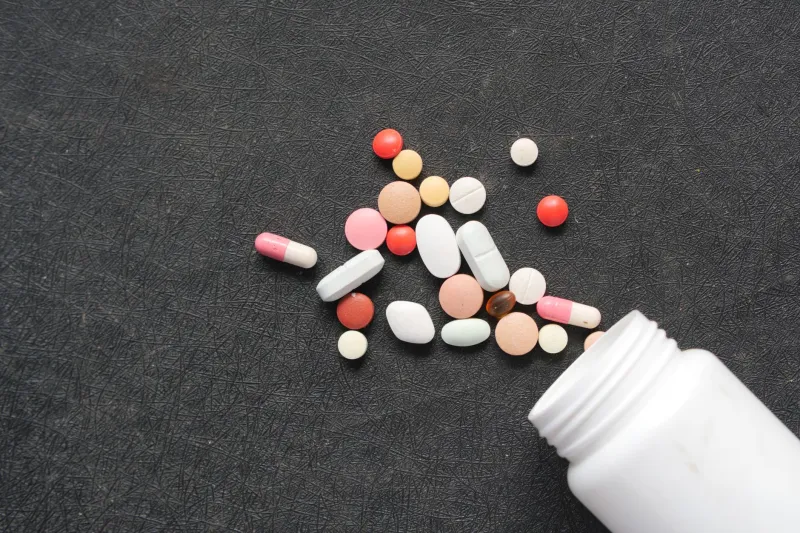
Walk into almost any American home and you will find two distinct categories of health products coexisting in the same cabinet: prescription medications dispensed by a licensed pharmacist and dietary supplements purchased from a grocery store, a big-box retailer, or an online wellness platform. These two categories are rarely discussed together—and that silence carries genuine medical risk.
According to data from the National Institutes of Health, more than half of all American adults use dietary supplements regularly. Of that population, a substantial portion is also taking at least one prescription drug. Yet surveys consistently show that fewer than one in three patients proactively inform their physicians or pharmacists about the supplements they use. The result is a systemic blind spot in American healthcare—one that pharmacists, internists, and clinical researchers are increasingly concerned about.
Why Patients Stay Silent
The reasons patients don't disclose supplement use are varied and, in many cases, understandable. Supplements are available without a prescription, which creates a cultural assumption that they are inherently safe and therefore not worth mentioning. Many patients also anticipate skepticism or dismissal from their providers—a concern that is not entirely unfounded, given that discussions of supplements in clinical settings have historically been brief or avoided altogether.
There is also a category confusion at play. Patients often distinguish sharply between "medicine" and "wellness products," mentally filing supplements under the latter. When a physician asks about current medications, patients answer accurately—but incompletely, omitting fish oil capsules, magnesium glycinate, herbal adaptogens, and high-dose vitamins that may be influencing the very conditions being treated.
This distinction, while intuitive, is pharmacologically meaningless. Any bioactive compound ingested regularly has the potential to interact with pharmaceutical agents in the body.
What Pharmacists Are Actually Worried About
Pharmacists occupy a uniquely informed position in the supplement-drug interaction conversation. They dispense medications, they understand metabolic pathways, and they see the full picture of a patient's prescription history—but only the prescription history. The supplement half of the equation is almost always invisible to them.
Among the interactions that concern clinical pharmacists most frequently are the following:
St. John's Wort and antidepressants or antiretrovirals. One of the most well-documented and dangerous interactions in supplement pharmacology involves St. John's Wort, a widely used herbal remedy for mild depression. The compound is a potent inducer of cytochrome P450 enzymes and P-glycoprotein, two critical mechanisms by which the body processes drugs. When taken alongside SSRIs, it can precipitate serotonin syndrome—a potentially fatal neurological emergency. It also significantly reduces plasma concentrations of HIV antiretrovirals, potentially compromising treatment efficacy.
High-dose fish oil and anticoagulants. Omega-3 fatty acids in moderate dietary amounts are broadly considered safe. However, at supplemental doses of 3 grams or more daily, fish oil can amplify the blood-thinning effects of warfarin or newer anticoagulants like rivaroxaban. For patients managing atrial fibrillation or recovering from vascular events, this interaction increases bleeding risk in ways that may not be apparent until a serious episode occurs.
Vitamin K and warfarin. This interaction is well-known in clinical circles but poorly understood by patients. Warfarin works by inhibiting vitamin K-dependent clotting factors. Supplemental vitamin K—even in amounts present in some multivitamins—can destabilize carefully titrated INR levels, either reducing anticoagulation effectiveness or creating unpredictable fluctuations.
Calcium supplements and certain antibiotics or thyroid medications. Calcium binds to several pharmaceutical compounds in the gastrointestinal tract, reducing their absorption. Patients taking levothyroxine for hypothyroidism who also supplement with calcium may find their thyroid levels poorly controlled—not because the medication is failing, but because it is not being adequately absorbed.
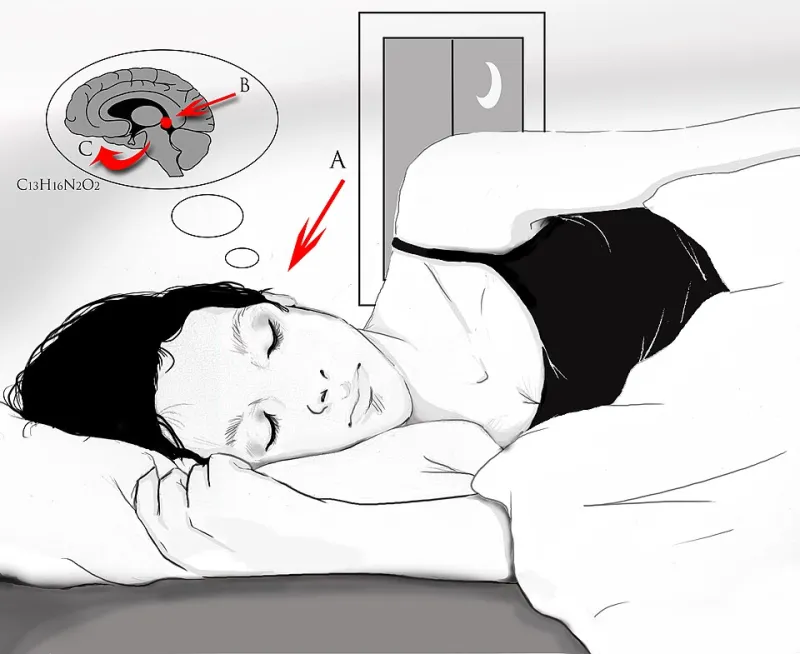
Melatonin and sedative medications. Melatonin is among the most commonly used sleep supplements in the United States. While generally regarded as low-risk, combining it with benzodiazepines, antihistamines, or other central nervous system depressants can produce additive sedation that impairs daytime functioning or creates safety hazards.
The Labeling Gap
Federal regulations require dietary supplement manufacturers to include a disclaimer stating that their products are not intended to diagnose, treat, cure, or prevent any disease. What regulations do not require—and what most labels conspicuously lack—is specific guidance about interactions with prescription medications.
This gap exists partly because the regulatory framework governing supplements under the Dietary Supplement Health and Education Act of 1994 does not mandate the same pre-market safety testing required of pharmaceutical drugs. Manufacturers are not obligated to conduct interaction studies before bringing a product to market. The burden of identifying and communicating interaction risks falls, by default, on the healthcare system—a system that cannot fulfill that responsibility if patients are not disclosing what they take.
Building a Complete Health Regimen Inventory
The most effective intervention available to American consumers right now is also the simplest: compile a complete, written inventory of every supplement and medication you take, and share it with every healthcare provider involved in your care.
The following checklist is a practical starting point:
- List everything by name and dose. Include prescription drugs, over-the-counter medications, vitamins, minerals, herbal supplements, protein powders with added nutrients, and any functional foods or beverages marketed for health benefits.
- Note the timing of each dose. Some interactions are time-dependent. Knowing when you take each product helps providers identify absorption conflicts.
- Bring the actual bottles to your next appointment. Labels contain information about form, concentration, and additional ingredients that verbal descriptions often miss.
- Ask your pharmacist specifically about supplement interactions. Most pharmacy systems now include tools to flag drug-drug interactions, and many pharmacists are trained to extend this analysis to common supplements when prompted.
- Update your list with every new addition. Supplement regimens evolve. A product added casually in January may interact with a prescription initiated in March.
- Research new supplements before starting them. Reputable databases such as the NIH's Office of Dietary Supplements and the Natural Medicines database (available through many public libraries) provide evidence-based interaction data.
The Role of Informed Purchasing
Choosing supplements thoughtfully—from manufacturers who invest in third-party testing, provide transparent ingredient sourcing, and include clear usage guidance—is a meaningful risk-reduction strategy. Products that carry verification seals from organizations such as USP, NSF International, or ConsumerLab have undergone independent quality assessment, which at minimum confirms that what is on the label is what is in the bottle.
At HealthServer Online, our commitment to curating evidence-informed health products reflects a broader understanding: responsible supplementation is not about buying more—it is about buying wisely and using every product within a framework of full clinical transparency.
A Shared Responsibility
The supplement-drug interaction problem will not be resolved by any single party acting alone. Manufacturers must do more to communicate known interaction risks. Regulatory frameworks may need to evolve to require more robust safety labeling. Healthcare providers should ask about supplements as routinely as they ask about prescriptions.
But in the immediate term, the most powerful action available belongs to you. An honest, complete conversation with your pharmacist or physician about everything in your wellness cabinet is not a bureaucratic formality—it is a fundamental component of safe, effective care. The gap between what your providers know and what you actually take is a gap that you have the ability to close.