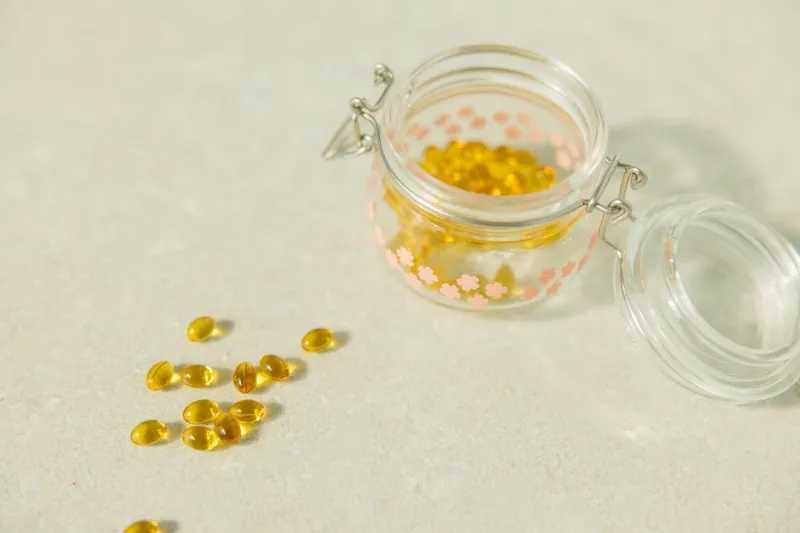
Potency Before the Printed Date: What Your Supplement Label Isn't Telling You
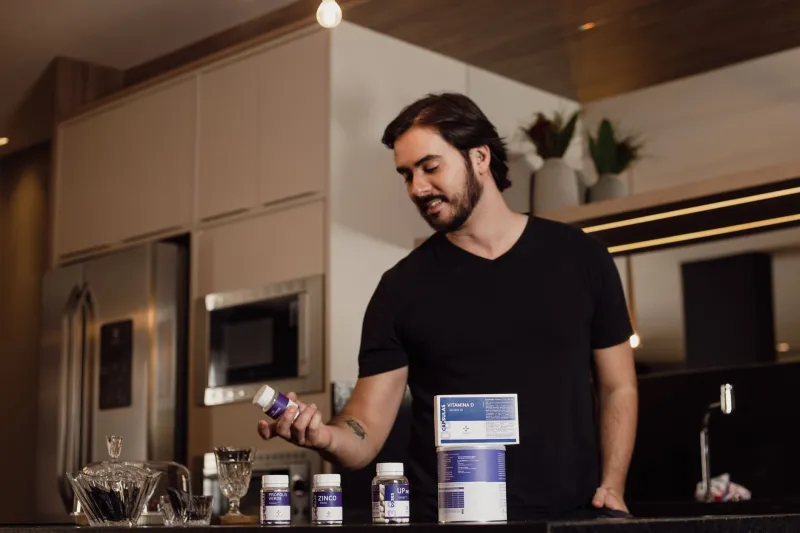
Walk into almost any American home and you will find a cabinet, countertop, or bathroom shelf lined with supplement bottles. Multivitamins, omega-3 capsules, magnesium, vitamin C—products purchased with genuine health intentions and, more often than not, stored in ways that quietly undermine everything the label promises. The expiration date stamped on the bottom of the bottle is not a guarantee of potency. It is a manufacturer's estimate, calculated under controlled conditions that bear little resemblance to the average American kitchen or bathroom.
For consumers investing meaningfully in their preventative health, that distinction matters enormously.
What Expiration Dates Actually Represent
Regulatory requirements from the FDA mandate that dietary supplement manufacturers establish expiration or "best by" dates based on stability testing. However, those tests are conducted under specific, controlled environmental parameters—typically defined temperature ranges, controlled humidity, and standardized light exposure. The resulting date reflects how long a product retains at least 100 percent of its labeled potency under those ideal conditions.
The moment a bottle leaves the manufacturing facility and enters a retail supply chain—then a consumer's home—those controlled conditions vanish. What replaces them is a far more variable and often hostile environment for sensitive organic compounds.
In practical terms, this means a vitamin D3 softgel stored on a sunny windowsill in Phoenix, Arizona during summer may lose meaningful potency within weeks of purchase. Meanwhile, the bottle's label confidently displays an expiration date two years away.
The Four Environmental Enemies of Supplement Potency
Heat is arguably the most damaging force acting on supplements in the average American home. Fat-soluble vitamins—A, D, E, and K—are particularly vulnerable. Elevated temperatures accelerate oxidation, the chemical process that degrades active compounds. Kitchens, where supplements are often stored for convenience, frequently experience temperature spikes during cooking that far exceed the 77°F threshold most manufacturers use in stability testing.
Light exposure presents a separate but equally significant threat. Ultraviolet radiation from both sunlight and certain artificial lighting sources initiates photodegradation—a process that breaks down molecular structures in vitamins and botanical extracts. This is why pharmaceutical-grade supplements are frequently packaged in amber or opaque containers. Transferring capsules to a clear pill organizer and leaving it on a bright countertop can accelerate this degradation substantially.
Humidity is the third major culprit. Moisture penetration—whether from a steamy bathroom, an improperly sealed cap, or even the desiccant packet that has been removed or ignored—promotes both chemical degradation and microbial growth. Water-soluble vitamins like B-complex and vitamin C are especially susceptible. When these compounds absorb ambient moisture, they can begin to break down or clump, visibly and chemically compromising the product.
Oxygen exposure completes the quartet. Every time a bottle is opened, fresh oxygen enters and initiates or accelerates oxidative reactions. Probiotic supplements, fish oil capsules, and certain antioxidant compounds are among the most oxygen-sensitive products on the market. A bottle opened and closed repeatedly over several months has been exposed to far more oxidative stress than stability testing accounts for.
Recognizing When a Supplement Has Already Degraded
Many consumers assume that if a supplement looks and smells normal, it is performing as intended. This is a reasonable but often incorrect assumption. Potency loss is frequently invisible—a vitamin C tablet can appear pristine while delivering a fraction of its labeled dose.
That said, several physical signs do indicate compromise:
- Discoloration in tablets, capsules, or powders that differs from the product's original appearance
- Unusual or rancid odor, particularly in fish oil or flaxseed-based products—rancidity is a reliable indicator of oxidative damage
- Clumping or moisture absorption in powder-based supplements, which suggests humidity infiltration
- Capsule stickiness or deformation, especially in gelatin-based softgels stored in warm environments
- Separation or cloudiness in liquid supplements beyond what normal shaking resolves
Any of these signs warrants discarding the product, regardless of the expiration date printed on the label.
Practical Storage Strategies That Actually Protect Potency
Optimizing home storage does not require a laboratory—it requires intentionality and a few straightforward adjustments.
Choose a cool, dark, and dry location. A bedroom dresser drawer, a dedicated shelf in a pantry away from the stove, or an interior cabinet removed from heat sources are all preferable to the bathroom medicine cabinet (notoriously humid) or the kitchen counter near appliances. The goal is a consistent temperature below 77°F with minimal light and humidity exposure.
Keep products in their original containers. Manufacturers design packaging with the product's specific vulnerabilities in mind. Amber glass, opaque plastic, and moisture-resistant seals are not aesthetic choices—they are functional ones. Transferring supplements to decorative containers or weekly pill organizers sacrifices those protections.
Seal bottles promptly and completely. This seems obvious, but casually replaced caps that are not fully tightened allow ongoing oxygen and moisture infiltration. If a product came with a desiccant packet, retain it inside the bottle.
Practice first-in, first-out rotation. When purchasing a new bottle of a supplement you use regularly, place it behind any remaining inventory rather than opening it first. This ensures older stock is consumed before newer purchases, reducing the cumulative time any single bottle spends in your storage environment.
Consider purchase quantity carefully. Buying in bulk may appear economical, but a three-year supply of an omega-3 supplement stored in a non-ideal environment may deliver progressively less benefit over time. Purchasing quantities aligned with your actual consumption rate—typically a one-to-three month supply—limits degradation exposure.
Refrigeration: When It Helps and When It Doesn't
Refrigeration is appropriate for certain supplement categories—probiotics being the most common—and is increasingly recommended for fish oil products to slow oxidative rancidity. However, refrigeration introduces its own risk: condensation. When a cold bottle is removed from the refrigerator and exposed to warm room air, moisture can form on and inside the container.
For supplements that benefit from refrigeration, the best practice is to remove only the dose needed immediately, then reseal and return the bottle promptly rather than allowing it to warm to room temperature repeatedly.
Not all supplements benefit from refrigeration. Some fat-soluble vitamins and herbal extracts are best kept at stable room temperature rather than subjected to the temperature cycling that comes with repeated refrigerator access.
The Investment Argument for Proper Storage
Americans spend approximately $50 billion annually on dietary supplements. For many households, this represents a meaningful line item in the health and wellness budget. Allowing preventable degradation to erode that investment—through nothing more than suboptimal storage habits—is a loss that compounds quietly over time.
At HealthServer Online, we believe that informed purchasing decisions and informed storage practices are equally important. A high-quality supplement sourced from a reputable manufacturer, stored correctly, and consumed within a reasonable timeframe delivers the value it promises. The same product mishandled after purchase may deliver considerably less.
Reviewing your current supplement storage setup with the principles outlined here is a low-cost, high-impact step toward ensuring that what you take actually does what you intend it to do. Your health investment deserves no less.