The Clock Is Part of the Formula: How Supplement Timing Shapes What Your Body Actually Absorbs

Photo: various supplement capsules and vitamins arranged on a wooden surface with a clock, via m.media-amazon.com
When most Americans evaluate a supplement, they focus on the label: the dose, the form of the nutrient, the presence of third-party testing certifications. These are legitimate considerations. But a variable that receives far less attention—and that the research suggests matters considerably—is the timing of ingestion. When you take a supplement, relative to food, other compounds, and the body's own circadian rhythms, can meaningfully influence how much of it actually reaches the tissues that need it.
This is not a fringe theory. It is an extension of well-established pharmacokinetic principles applied to nutritional science. Understanding these principles does not require an advanced degree; it requires knowing a few key facts about how your digestive system and cellular biology operate across the course of a day.
Bioavailability: The Number Behind the Number
Before discussing timing, it is worth establishing what bioavailability means in practical terms. Bioavailability refers to the proportion of an ingested substance that enters systemic circulation in an active form and is therefore available to exert a physiological effect. A supplement that is 20 percent bioavailable delivers one-fifth of its labeled dose to your body in a usable form. Everything else is excreted.
Multiple factors influence bioavailability: the chemical form of the nutrient, the presence of enhancing or inhibiting compounds in the gut at the time of ingestion, the pH of the digestive environment, and the metabolic state of the liver. Timing affects several of these variables simultaneously, which is why it can have an outsized impact on outcomes.
Fat-Soluble Vitamins: Take Them With Your Largest Meal
Vitamins A, D, E, and K are fat-soluble, meaning they require dietary fat for absorption through the intestinal wall. This is not a minor detail. Studies have demonstrated that taking vitamin D, for example, with a high-fat meal can increase its absorption by as much as 50 percent compared to taking it in a fasted state.
For most Americans, the practical implication is straightforward: take fat-soluble vitamins with dinner or whichever meal contains the most dietary fat. Breakfast, particularly for those who eat light in the morning, is a suboptimal window. If your supplement routine involves vitamins D, K2, or a fish oil softgel, pairing them with a meal that includes healthy fats—avocado, olive oil, nuts, eggs—provides the bile acid secretion necessary to facilitate absorption.
Vitamin K2, which is increasingly recognized for its role in directing calcium to bones rather than arterial walls, is particularly dependent on fat co-ingestion. It is also worth noting that vitamins D and K2 work synergistically; taking them together, with a fat-containing meal, is considered best practice by many integrative clinicians.
Magnesium: Evening Has a Biological Rationale
Magnesium is one of the most widely recommended supplements in the United States, and for good reason—a significant portion of American adults fail to meet their recommended dietary intake. Its roles in muscle relaxation, sleep regulation, and nervous system function make evening timing not merely convenient but physiologically logical.
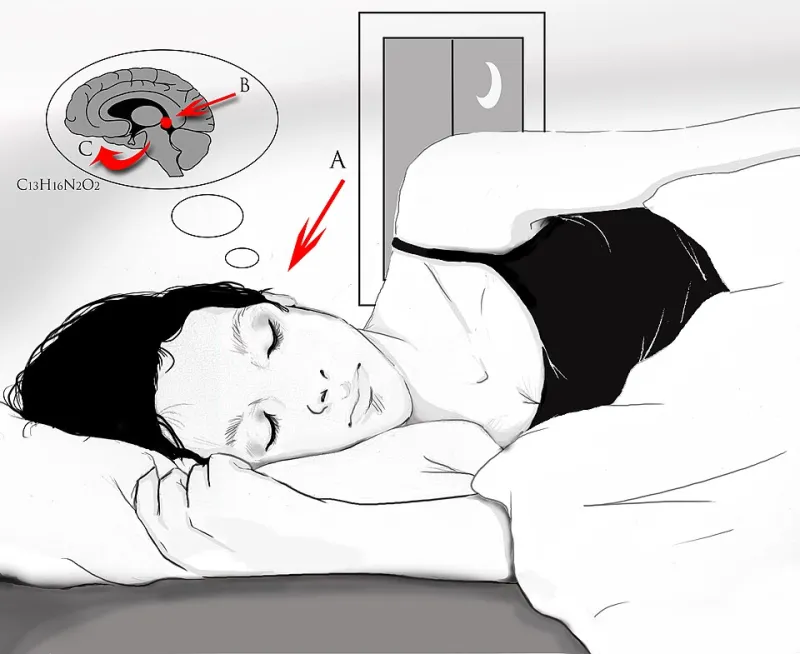
Magnesium's relaxing effect on smooth and skeletal muscle, combined with its role in supporting the conversion of tryptophan to serotonin and melatonin, suggests that taking it 30 to 60 minutes before sleep may enhance its efficacy for those using it to support rest and recovery. This timing also sidesteps a common complaint: magnesium taken on an empty stomach can cause gastrointestinal discomfort in some individuals. Taking it with a light evening snack mitigates this effect.
The form of magnesium also interacts with timing considerations. Magnesium glycinate and magnesium threonate are generally better tolerated and more bioavailable than magnesium oxide, regardless of when they are taken—but even a superior form benefits from thoughtful scheduling.
Iron: The Case for Strategic Separation
Iron supplementation illustrates perhaps the most consequential timing interaction in common use. Iron absorption is dramatically inhibited by calcium, tannins found in tea and coffee, and certain compounds in dairy products. Yet many Americans take their iron supplement alongside their morning coffee or a calcium-containing multivitamin, inadvertently undermining its effectiveness.
Research supports taking iron supplements on an empty stomach, as the acidic gastric environment enhances absorption of ferrous forms. However, for individuals who experience the nausea that iron can cause when taken without food, a small amount of food—particularly a food containing vitamin C—is a reasonable compromise. Vitamin C actively enhances non-heme iron absorption by reducing ferric iron to the more absorbable ferrous form, making it one of the few documented absorption enhancers with a strong evidence base.
Critically, calcium supplements should be taken at a separate time from iron—ideally several hours apart. This single adjustment can significantly improve outcomes for individuals managing iron-deficiency anemia through supplementation.
B Vitamins and Coenzyme Q10: Morning Logic
B vitamins, particularly B12 and the B-complex group, are involved in energy metabolism at the cellular level. Their role in supporting mitochondrial function and neurotransmitter synthesis makes morning administration intuitively appropriate for most users—and the available evidence is generally consistent with this timing. Some individuals report that taking B vitamins in the evening interferes with sleep onset, likely due to their stimulatory effect on energy-producing pathways.
Coenzyme Q10 (CoQ10) is another supplement with a clear timing preference supported by research. As a fat-soluble compound, it requires dietary fat for absorption, similar to the fat-soluble vitamins discussed above. Studies have shown that taking CoQ10 with a meal—particularly one containing fat—can increase plasma concentrations substantially compared to fasted administration. For individuals taking CoQ10 to support cardiovascular function or to offset the mitochondrial effects associated with statin medications, this is a clinically relevant consideration.
Medications and Supplements: A Caution Worth Repeating
Timing matters not only between supplements and food, but between supplements and prescription medications. Calcium can reduce the absorption of thyroid medications such as levothyroxine; fiber supplements can bind to and reduce the bioavailability of numerous drugs; St. John's Wort can accelerate the metabolism of certain pharmaceuticals through its effects on liver enzymes.
Patients managing chronic conditions with prescription medications should always consult their physician or pharmacist before establishing a supplement timing routine. The interactions in this space are not always intuitive, and the consequences of getting them wrong can range from reduced medication efficacy to unintended toxicity.
Building a Timing-Informed Supplement Routine
The goal of this information is not to make supplementation feel burdensome. Rather, it is to help consumers understand that the investment they make in quality supplements is only fully realized when those supplements are taken in a manner that the body can actually use.
A practical approach is to organize supplements into two or three daily windows—morning, with dinner, and before bed—and assign each supplement to the window best supported by the evidence. Review any potential interactions with medications with a qualified healthcare provider. And when selecting supplements, prioritize formulations with demonstrated bioavailability, as the form of a nutrient is the foundation upon which timing strategies build.
At HealthServer Online, we are committed to helping our customers make evidence-informed decisions about every aspect of their wellness routine—including the variables that are easy to overlook. Timing is one of them.